Series
Next.js + Strapi Architecture: A Scalable Cloudflare + VPS Setup for SEO Content Sites
Launching a content site is easy. Building one that scales, ranks, and doesn’t collapse under traffic is not.
A solid Next.js + Strapi architecture separates concerns from day one—frontend rendering, content management, database storage, media hosting, and edge acceleration. When each layer does one job well, growth becomes predictable instead of painful.

The Recommended Architecture Overview
The production-ready structure looks like this:
Domain
  → Cloudflare DNS/CDN
    → Next.js Frontend
        ↓
       VPS
        ├─ Strapi
        ├─ Postgres
        └─ Nginx
        ↓
   Cloudflare R2 (Media)
What Each Layer Does
| Layer | Responsibility |
|---|---|
| Cloudflare | DNS, CDN, SSL, caching, protection |
| Next.js | SEO pages, routing, SSG/ISR rendering |
| Strapi | Headless CMS (content editing & API) |
| Postgres | Structured data storage |
| Nginx/Caddy | Reverse proxy & TLS termination |
| R2 | Image, cover, and asset storage |
This separation prevents your VPS from becoming a bottleneck and keeps your SEO surface clean.
What You Need Before Starting
1️⃣ Domain
.com- Short and brandable
- No dates, no region words
- Recommended: Cloudflare Registrar
2️⃣ VPS (CMS + Database)
Minimum recommended setup:
- 2 vCPU
- 4GB RAM
- 40–80GB NVMe
- Ubuntu 22.04 LTS
This comfortably runs Strapi + Postgres + reverse proxy.
3️⃣ Object Storage (Do Not Use VPS Disk)
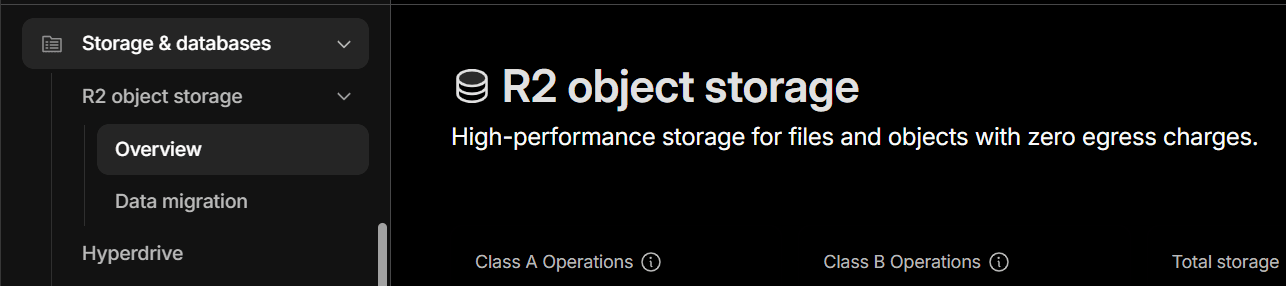
Use Cloudflare R2 for:
- Article images
- Featured covers
- Downloadable assets
Keeping media outside the VPS ensures long-term scalability.
4️⃣ CDN + DNS
Cloudflare free plan handles:
- Global acceleration
- Basic security
- Static caching
- Automatic SSL
Technology Stack That Scales
Frontend
- Next.js (App Router)
- SSG + ISR
- SEO-first rendering
CMS
- Strapi (Headless)
Database
- Postgres
This combination balances flexibility and performance without platform lock-in.
SEO Structure That Avoids Future Headaches
Architecture alone doesn’t guarantee rankings. URL discipline does.
Multilingual URL Structure
Correct:
example.com/zh/xxx
example.com/en/xxx
Use:
zh-CNen-USx-default
Avoid:
- Query parameter languages
- Subdomain language separation
- Mixing regional English variants unnecessarily
Slug Rules
- Lowercase only
- Hyphen-separated
- No dates
- No IDs
Clean URLs age well and preserve authority.
Ad Strategy Without Damaging SEO
Monetization must not break user experience.
Google Ads / AdSense Best Practices
- Target: US / CA / AU / SG / JP
- Exclude: EEA / UK (if not targeting compliance)
- Load ads asynchronously
- Reserve container height to avoid CLS
Quick Checklist
- [ ] Async script loading
- [ ] Fixed ad container height
- [ ] No aggressive above-the-fold ads
- [ ] Mobile spacing optimized
Bad CLS can silently destroy rankings.
Deployment Order (Do This in Sequence)
- Buy domain
- Buy VPS
- Install Docker
- Deploy Strapi + Postgres
- Configure R2 upload provider
- Deploy Next.js frontend
- Connect Cloudflare CDN
- Integrate Google Ads
Following this order prevents rework.
Growth Path When Traffic Increases
When your site gains traction:
- Upgrade VPS → 4C / 8G
- Add Redis for caching
- Separate database to its own instance
- Move frontend to edge deployment (Vercel or Cloudflare Pages)
Each step improves resilience without redesigning the stack.
Why This Architecture Works Long-Term
- Low operational cost
- Strong SEO foundation
- Modular scaling path
- No platform lock-in
- Clean separation of concerns
A properly structured Next.js + Strapi architecture turns a content site into an owned digital asset instead of a fragile side project.